
Environmental conservation is no longer an option—it is a necessity. Across Tanzania and beyond, climate change, deforestation, and land degradation continue to threaten ecosystems and livelihoods. In response to these challenges, the Network For Vulnerable Rescue Foundation (NVRF) has taken a bold step by implementing a tree nursery and planting project aimed at restoring the environment and promoting sustainability.
This initiative not only focuses on planting trees but also emphasizes long-term ecological balance, community involvement, and environmental awareness.
Tree Species Used in the Project
As part of the conservation efforts, NVRF carefully selected tree species that are beneficial for both the environment and the community. These include:
- Gliricidia sepium (Mglirisidia) – Known for improving soil fertility and supporting agroforestry systems.
- Cedrela odorata (Mrashia) – A valuable timber tree that supports economic development while encouraging reforestation.
- Acacia vachellia (Mgunga Taveta) – A drought-resistant tree that helps combat desertification and provides shade.
- Senna spectabilis (Mhomba) – Used for beautification, soil improvement, and ecological restoration.
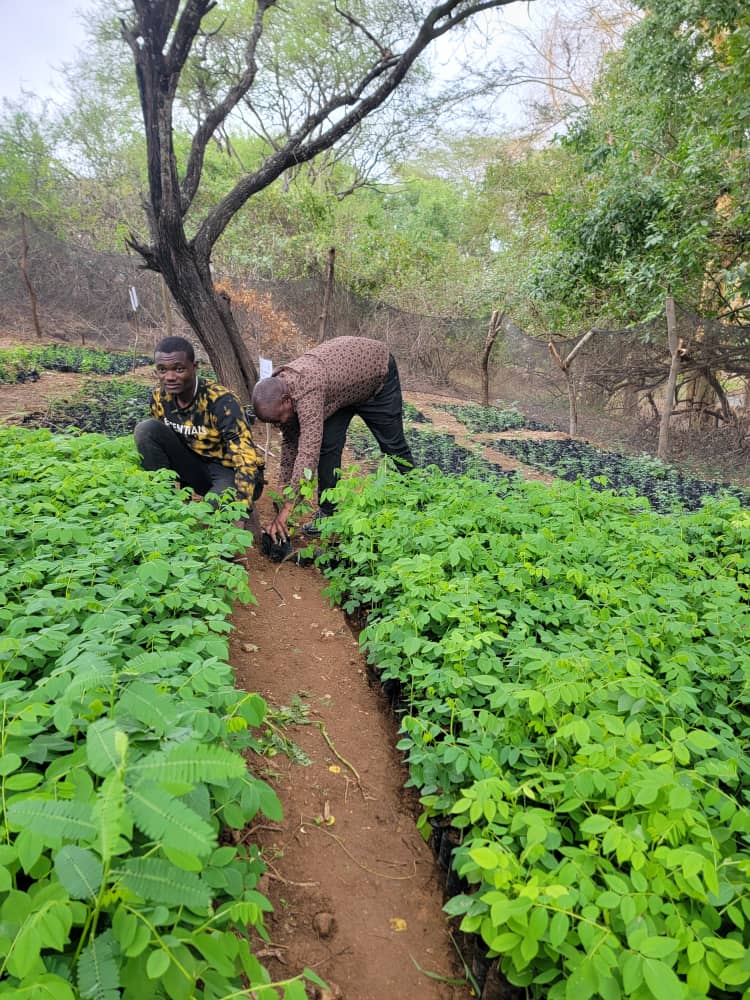
These species were grown in a nursery before being distributed for planting, ensuring healthy growth and higher survival rates.
This initiative not only focuses on planting trees but also emphasizes long-term ecological balance, community involvement, and environmental awareness.
Key Environmental Conservation Activities
1. Establishment of Tree Nurseries
NVRF initiated the project by setting up a well-managed tree nursery. This nursery served as the foundation for producing high-quality seedlings that are resilient and suitable for the local climate.
2. Community Engagement and Training
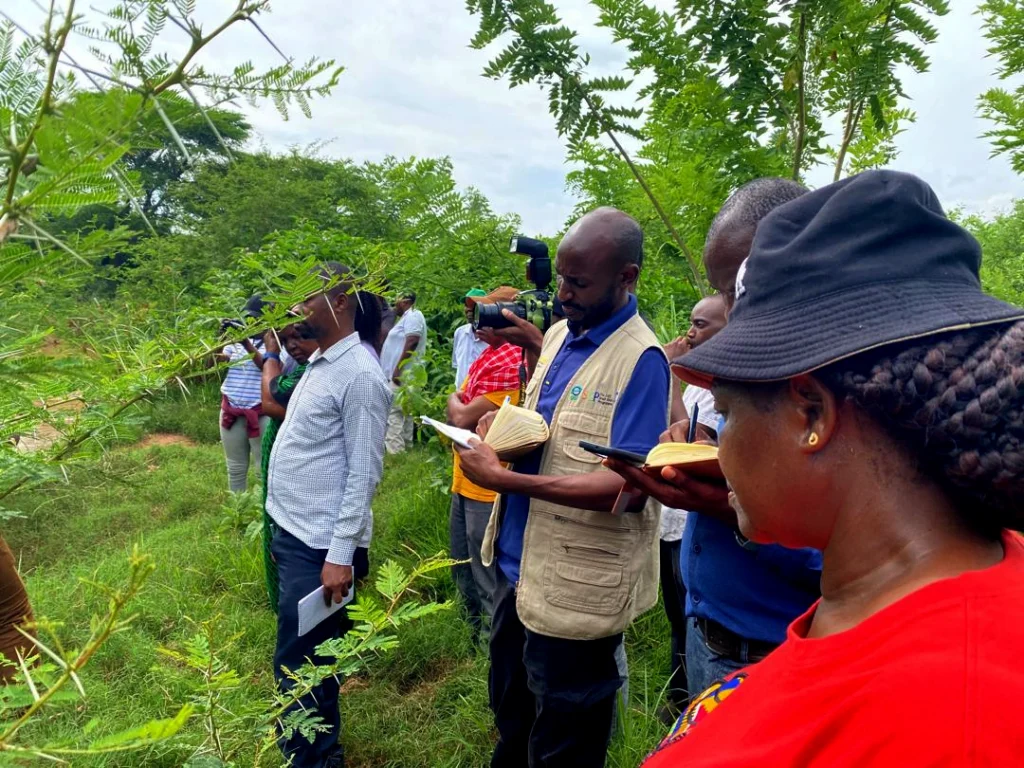
Local community members were actively involved in the project. Training sessions were conducted to educate them on:
- Tree planting techniques
- Proper maintenance and watering
- Importance of environmental conservation
This approach ensures sustainability beyond the project timeline.
3. Tree Planting Campaigns
Organized tree planting events were carried out in targeted areas, including schools, community lands, and degraded environments. These campaigns aimed to:
- Restore lost vegetation
- Improve air quality
- Reduce soil erosion
4. Environmental Awareness Programs
NVRF also conducted awareness campaigns to highlight the importance of protecting natural resources. The goal was to build a culture of environmental responsibility among youth and the wider community.
5. Monitoring and Maintenance
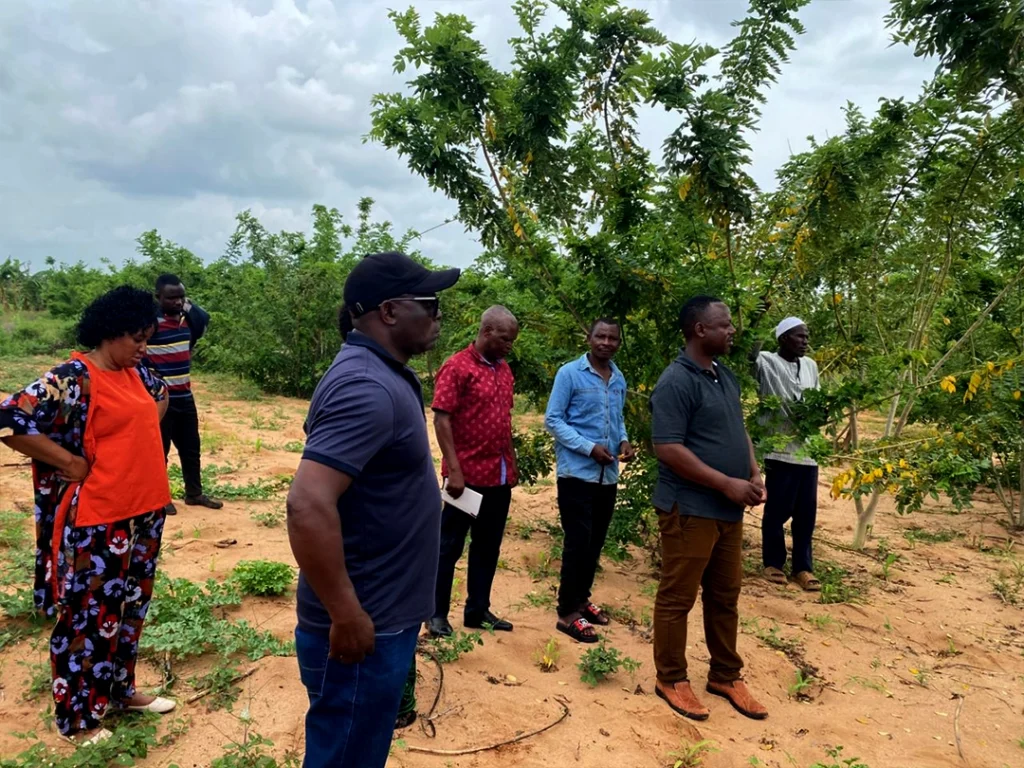
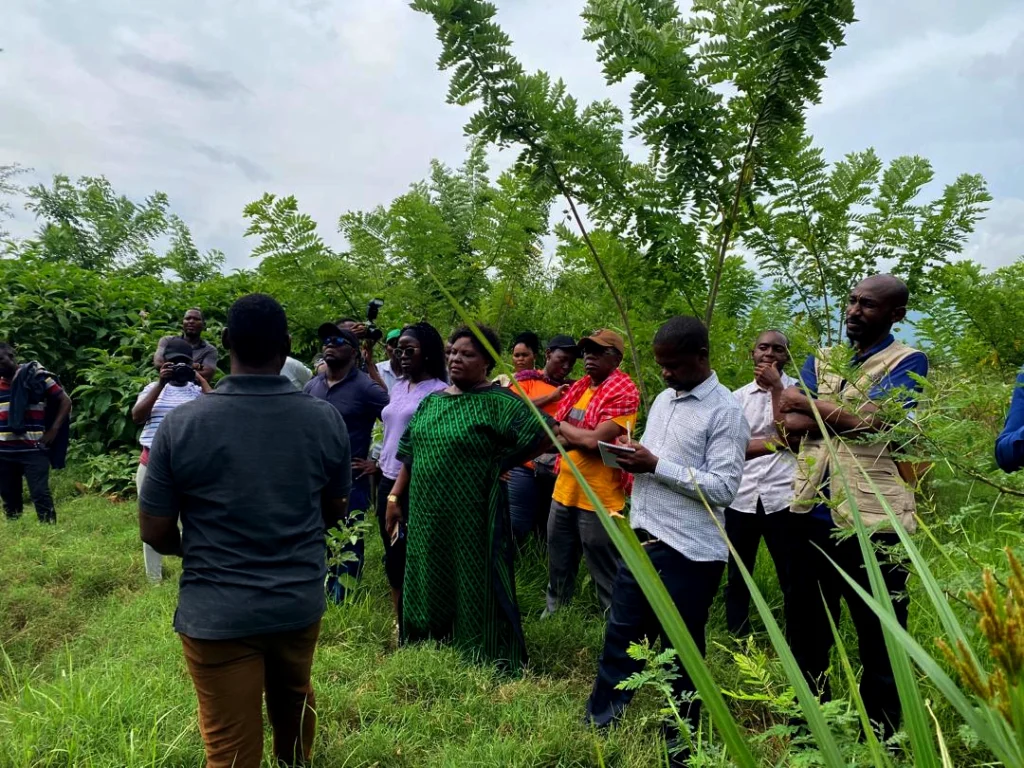
After planting, continuous monitoring was done to ensure tree survival. Activities included:
- Regular watering
- Protection against grazing animals
- Replacement of damaged seedlings
Impact of the Project
The environmental conservation project has already begun to show positive results, including:
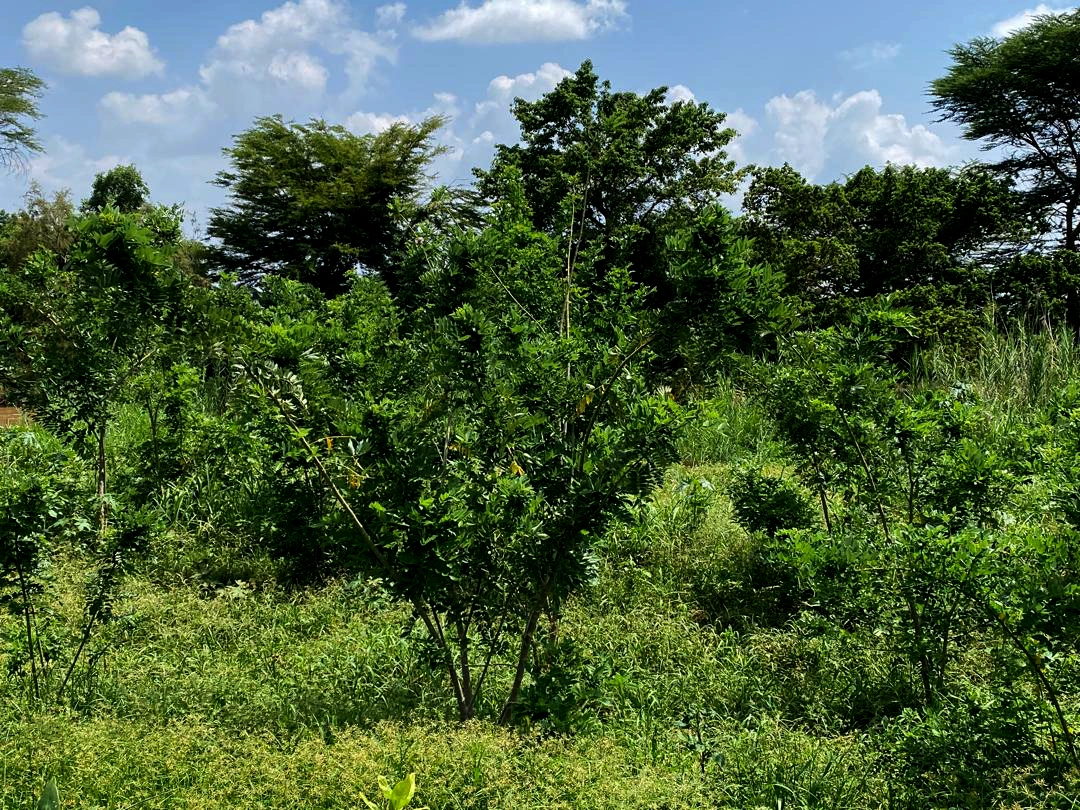
- Increased green cover in targeted areas
- Improved soil quality and reduced erosion
- Enhanced community awareness about climate change
- Creation of sustainable livelihoods through tree-based resources
Acknowledgement to Supporters and Funders
This impactful project would not have been possible without the generous support and collaboration of various partners and stakeholders.
The Network For Vulnerable Rescue Foundation (NVRF) extends its heartfelt gratitude to all supporters and funders who contributed resources, expertise, and time to make this initiative a success. Their commitment to environmental sustainability and community development has played a vital role in transforming this vision into reality.
Through their support, NVRF continues to empower communities, protect ecosystems, and promote a greener future for generations to come.

Conclusion
Tree planting is one of the most effective ways to combat climate change and restore the environment. The efforts by NVRF demonstrate that with the right approach, community involvement, and strong partnerships, meaningful environmental impact is achievable.
As we move forward, continued collaboration and commitment will be essential in scaling such initiatives and ensuring a sustainable future for all.